Mon - Sat: 10:00 am - 7:00 pm

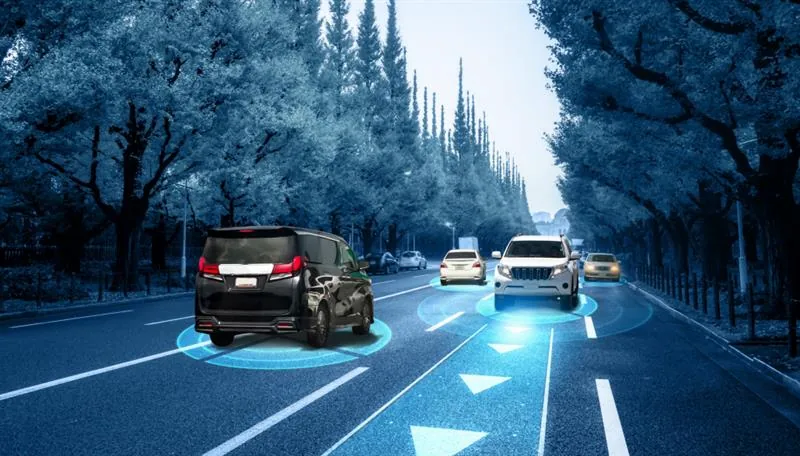
The automotive industry is undergoing a significant transformation since the emergence of autonomous vehicles (AVs). What started as an idea has, over time, turned into a worldwide battle for innovation, regulation, and market supremacy. In the modern world, AVs are not only transforming how we drive but also how the auto sector works.
The market potential
By 2032, the world AV market will expand from $208 billion in 2023 to $4 trillion. That is a projected CAGR of more than 40%. McKinsey & Company estimates that by 2035, AVs will have the potential to add up to $400 billion annually to the world economy.
These statistics are more than hype; they indicate growing commercialisation of autonomous technology in consumer space, public transport, and the logistics sector.
Real-world commercial applications
As much as robo-taxis tend to hog most of the headlines, AV technology is rapidly transforming commercial transportation:
AVs are being adopted at a growing rate in target industries because of their operational benefits, including lower operating expenses, enhanced safety, and greater efficiency.
The technology behind autonomy
However, for autonomous vehicles to operate effectively, a multitude of innovative technologies need to interact with them. These include:
Together, these technologies enable autonomous vehicles (AVs) to perceive their surroundings, interpret complex traffic information, and adapt on the move, turning modern cars into intelligent, self-enhancing machines.
For additional information on how modern technology is changing the vehicle system, consider checking out this article by MOT in Leicester.
Industry deployment and transformation
Autonomous service testing and rollout are ongoing at Waymo, Tesla, Zoox, and May Mobility. These real-world tests prove AVs are not just concepts but that they already exist in a handful of cities.
Automakers are being compelled to rethink the whole vehicle life cycle due to AVs. Software-defined cars, Mobility-as-a-service (MaaS), and reimagined urban infrastructure are all becoming increasingly common.
A connected future Autonomous vehicles are not only changing how we drive, but they are also changing how we move, work, and live. The future is intelligent, safer, and more connected for consumers and the auto industry alike.
Vehicle Registration
Select service
Add-ons
Your details