Mon - Sat: 10:00 am - 7:00 pm

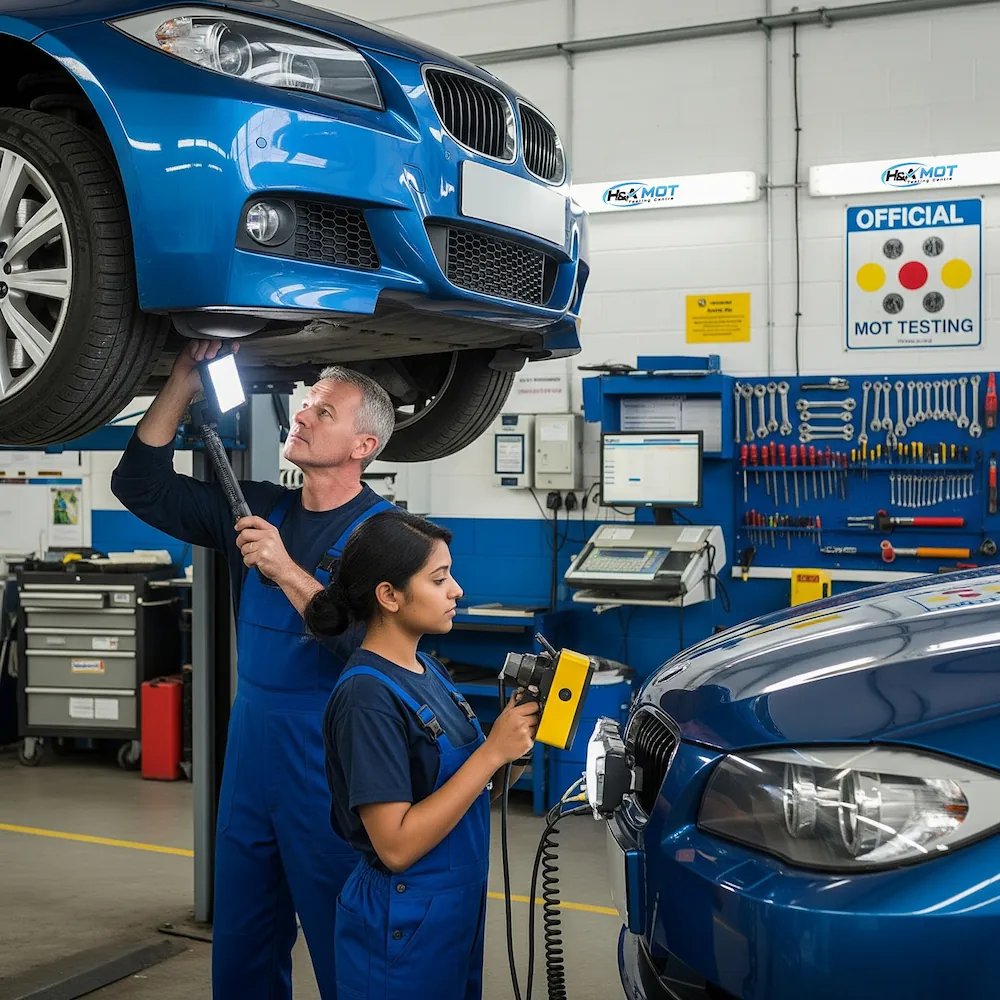
With time, MOT rules have become stricter, as there is a huge emphasis on vehicle safety and emissions. It is more important than ever to make sure that your car’s core components are working properly.
Thus, it is crucial for BMW owners to have a car with a well-tuned and exceptionally performing machine. To achieve this, you need to get your car the special treatment it deserves from a garage that specialises in BMW Timing Chain Replacement.
The Hidden Dangers of a Compromised Supply Chain
When changing the timing chain for your BMW, you need to buy one which operates with absolute precision. While you might see sales on some parts, it is possible that the quality may be entirely different from a genuine one. A compromise on quality can lead to:
These points aren’t just about potentially failing your MOT; it’s more about how much it could cost you just to get everything repaired.
Why Specialist’s Insist on OEM Parts
Specialists always commit to using Original Equipment Manufacturer (OEM) parts as they don’t want to take any risks with the vehicle’s health when it comes to BMW Timing Chain Replacement. Here’s why:
A Proactive Approach to Your BMW's Health Besides MOT
While the MOT test does not check the timing chain, it is important that you have a professional specialist look after your car to help pass the test of it being safe to run on UK roads. The same engine that requires the timing chain is also responsible for your vehicle’s emissions, which are a key aspect of the MOT. It is advised to BMW owners that if they hear any rattling sound from their engine, especially when they start-up their vehicle, it’s a strong indication that your timing chain could be failing. Be proactive and don’t wait for your MOT to get it checked out. By seeking out a specialist who uses only high-quality OEM parts, you're not just getting a repair—you’re getting lasting reliability.
The cost can vary significantly depending on the specific BMW engine model, the extent of the repair, and the quality of the parts used. A detailed quote from a specialist is always recommended, as a lower price often means a compromise on parts quality, which can lead to costly engine damage later on.
No, BMW states that the timing chain is designed to last the lifetime of the vehicle. However, many specialists and professionals recommend a proactive inspection or replacement at around 100,000 miles to prevent potential failure in certain engine models.
These diesel engines are commonly known to have issues with timing chain wear. The chains are located at the back of the engine, making the repair complex and labour-intensive. A specialist is required to ensure the correct, high-quality OEM kit is fitted properly.
A full, professional service includes replacing the entire timing chain kit. This includes the chains, tensioners, and guides, as these are all vital to the system's function and can cause a failure if not replaced at the same time.
The most common symptom is a rattling or scraping noise coming from the back of the engine, particularly when you first start the car from cold. This can indicate that the chain is stretched or the guides are worn out.
A timing belt is a rubber belt that needs to be replaced at a set service interval. A timing chain is a metal chain that is designed to be more durable and last longer. However, some timing chains can still fail due to component wear.
If the timing chain breaks, it can cause immediate and catastrophic engine failure. The pistons will collide with the valves, which can result in irreparable damage to the engine. This is why proactive replacement is crucial.
While the MOT test doesn't specifically check the timing chain, a rattling engine or a major loss of power could be a reason to fail. More importantly, if the timing chain fails, your car will not be safe or functional to drive.
Vehicle Registration
Select service
Add-ons
Your details